The Future of Water and Energy Meters in Botswana: Trends and Innovations
Introduction to Water and Energy Meters
Botswana is experiencing a significant transformation in its utility sector, particularly in water and energy management. As the country continues to modernize, the implementation of advanced metering technologies is becoming increasingly essential. These innovations not only help in efficient resource management but also in achieving sustainability goals.
Current State of Metering Technology
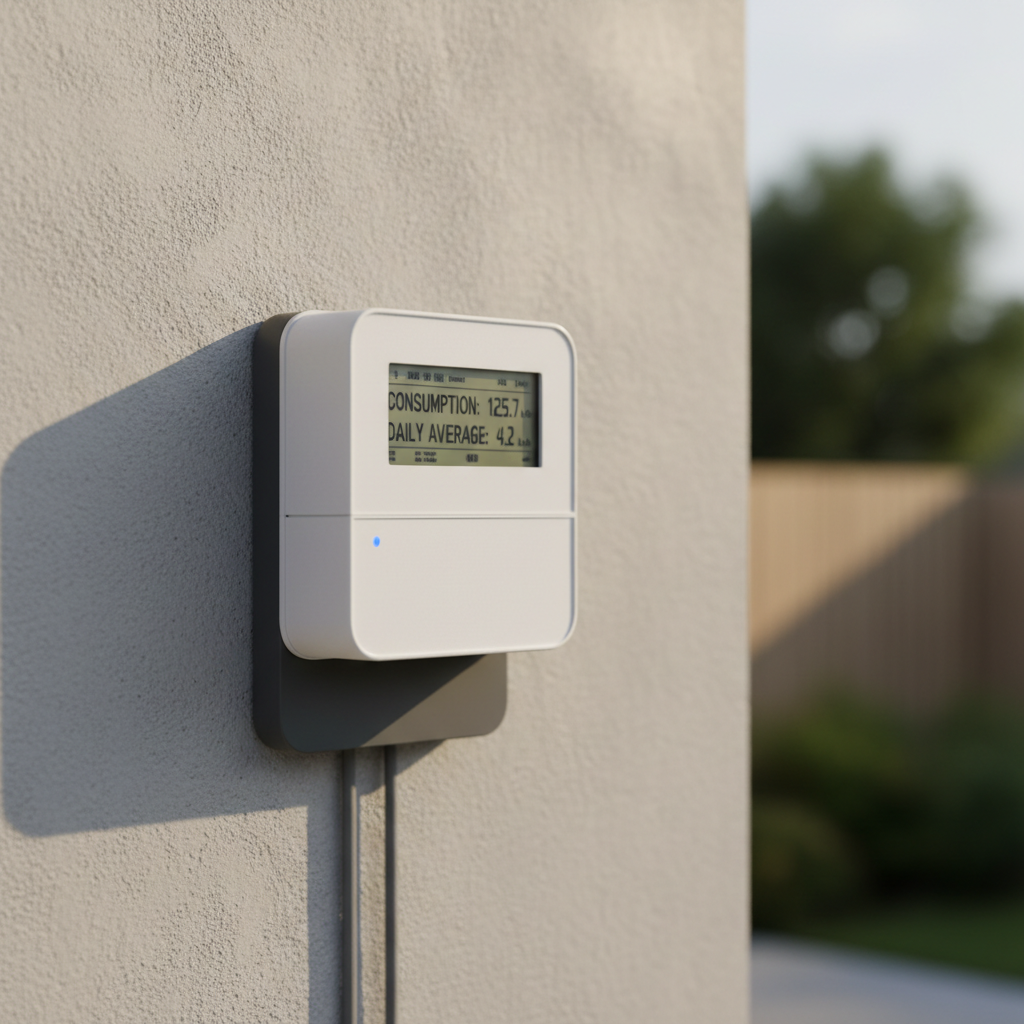
Currently, Botswana relies heavily on traditional metering systems, which often require manual readings and are prone to inaccuracies. These systems are gradually being phased out in favor of smart meters that offer real-time data and enhance consumer engagement. The shift is crucial for addressing the challenges of resource scarcity and high operational costs.
Benefits of Smart Meters
Smart meters provide numerous advantages over their traditional counterparts:
- Real-time Monitoring: Users can track their consumption patterns, leading to more informed usage decisions.
- Accurate Billing: With precise data collection, billing becomes more accurate, reducing disputes between consumers and providers.
- Reduced Operational Costs: Automated data collection minimizes the need for manual meter readings, lowering labor costs.
Innovations in Metering Technologies
Recent advancements in technology have introduced several innovative solutions in the metering landscape. Wireless communication and IoT integration are at the forefront, enabling seamless connectivity and data transfer. Such innovations are crucial for developing a smart grid infrastructure in Botswana.
Integration with Renewable Energy
As Botswana explores renewable energy sources, integrating smart meters with solar and wind energy systems becomes vital. These meters can provide feedback on energy production and consumption, helping optimize energy use and storage. This integration supports the country's commitment to sustainable energy solutions.
Challenges and Opportunities
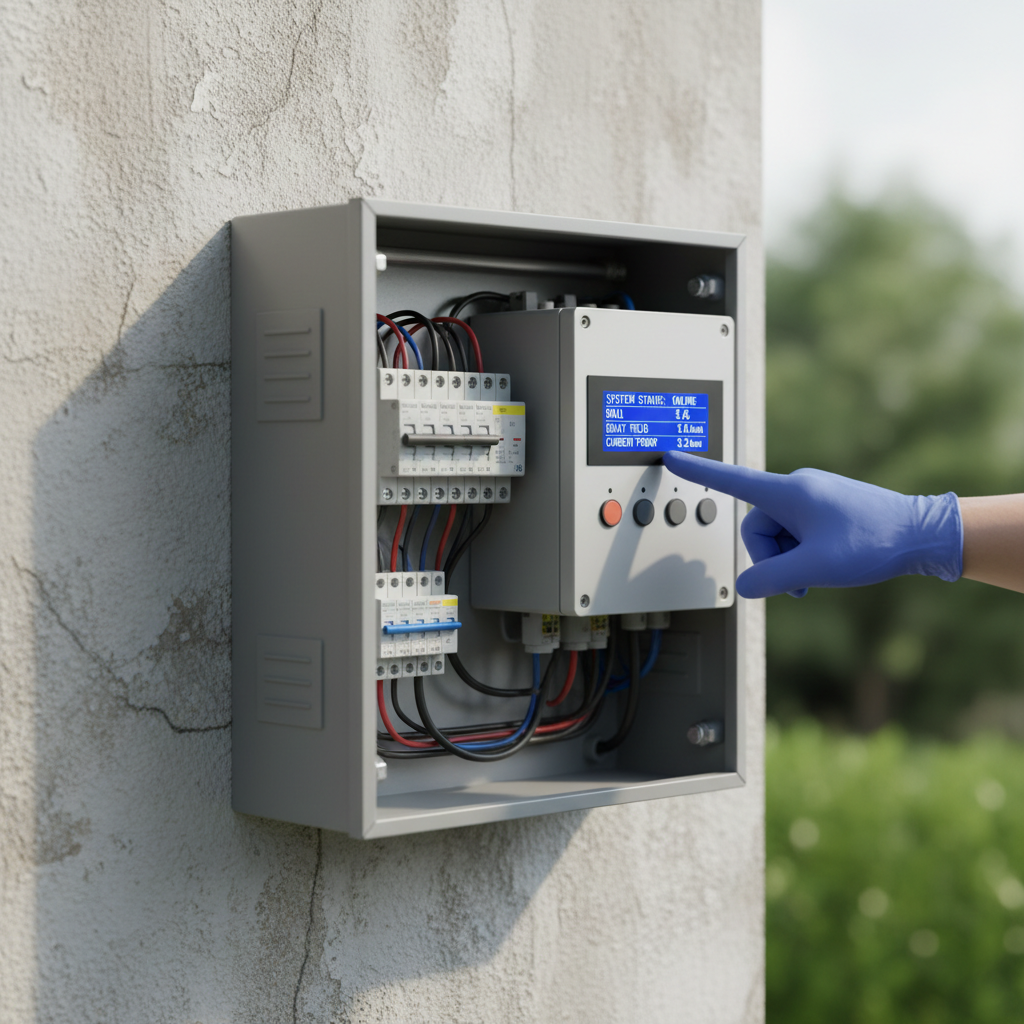
While the benefits of advanced metering systems are clear, several challenges remain. High initial implementation costs and the need for robust infrastructure are significant barriers. However, these challenges present opportunities for investment and innovation within the sector.
Government Initiatives and Policies
The Botswana government is actively working to support the transition to smart metering through various initiatives and policies. By offering incentives and engaging in public-private partnerships, the government aims to accelerate the adoption of these technologies, paving the way for a more efficient and sustainable future.
Conclusion
The future of water and energy meters in Botswana looks promising, with smart technologies playing a pivotal role. The ongoing transition towards advanced metering systems will not only enhance resource management but also contribute to the country's sustainability goals. As these technologies continue to evolve, they will undoubtedly shape the future of utilities in Botswana, fostering a more connected and efficient society.